
 Image 1 of 1
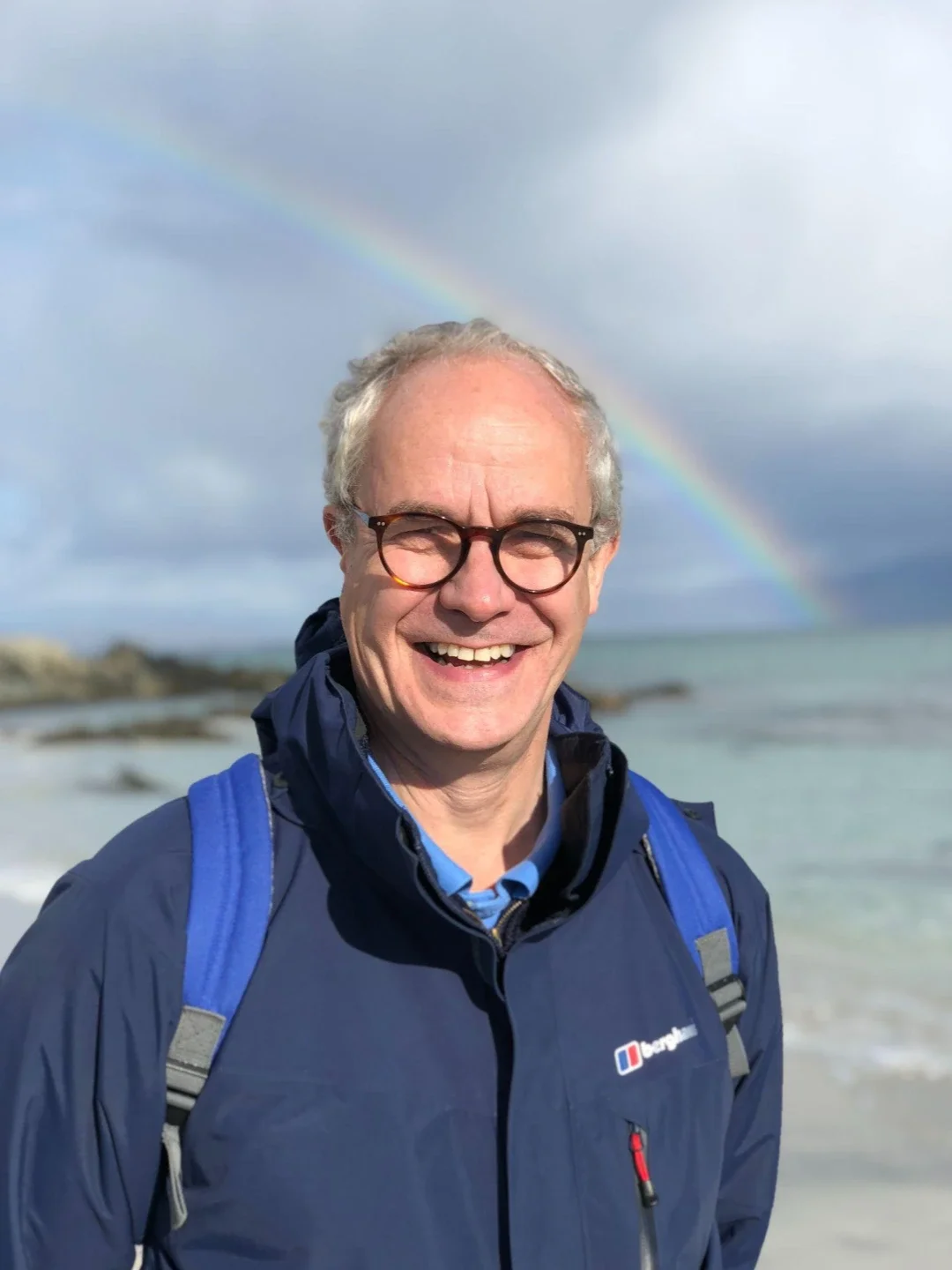
Represented By: Ivan Mulcahy
His book The End of The Line (2004) and the award-winning documentary film that it inspired (2009) raised overfishing as a global problem and led to the foundation of Blue Marine Foundation which he now works for as a senior consultant. His latest book, Rewilding the Sea (2022), catalogues the reasons for hope in marine conservation and shows how damage can be reversed.
Before taking a full-time interest in the ocean, he was the author, with HRH the King, then Prince of Wales, of a book on sustainable farming and gardening, Highgrove: Portrait of an Estate (1993).
Represented By: Ivan Mulcahy
His book The End of The Line (2004) and the award-winning documentary film that it inspired (2009) raised overfishing as a global problem and led to the foundation of Blue Marine Foundation which he now works for as a senior consultant. His latest book, Rewilding the Sea (2022), catalogues the reasons for hope in marine conservation and shows how damage can be reversed.
Before taking a full-time interest in the ocean, he was the author, with HRH the King, then Prince of Wales, of a book on sustainable farming and gardening, Highgrove: Portrait of an Estate (1993).
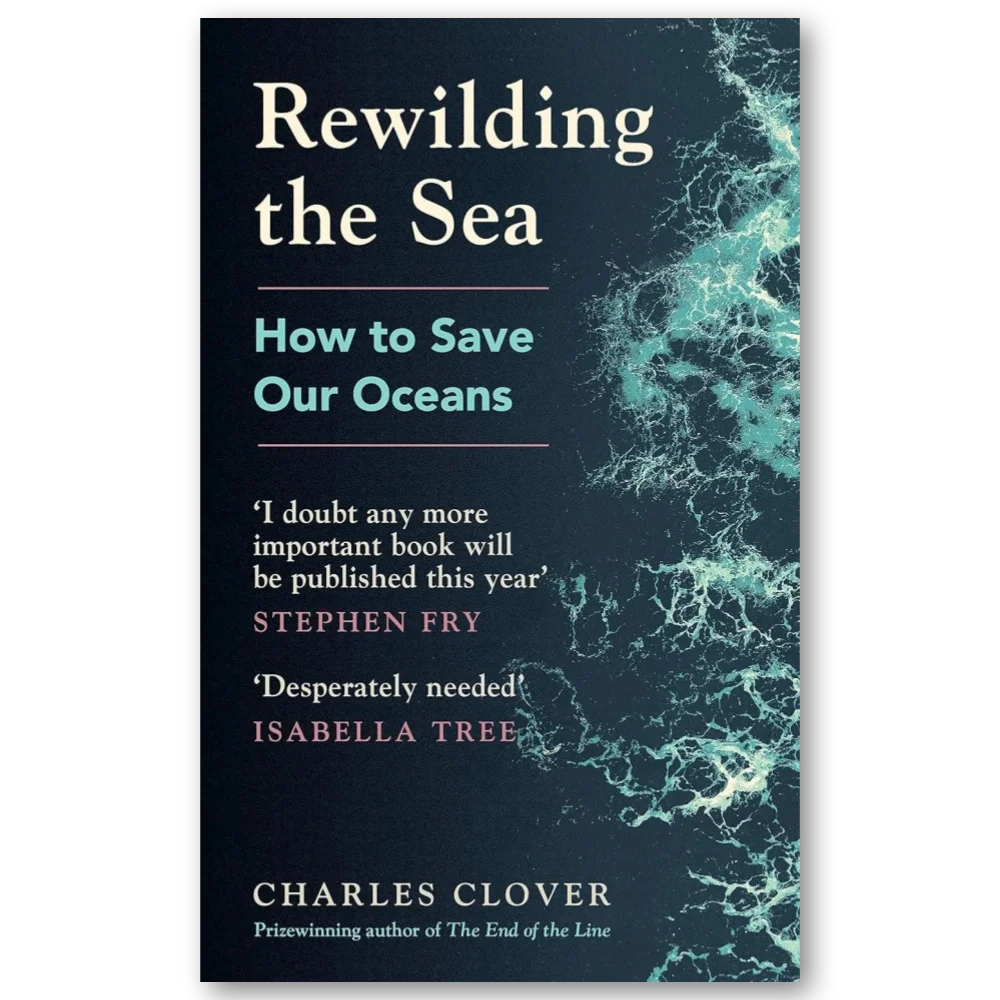
Author: Charles Clover
Genres: Subject-Led Non-fiction
Rewilding the Sea celebrates what happens when we step aside and let nature repair the damage: whether it is the overfishing of bluefin tuna across the Atlantic, the destruction of coral gardens by dredgers in Lyme Bay or the restoration of oysters on the East Coast of America.
The latest scientific research shows that trawling and dredging create more CO2 than the aviation industry and damage vast areas of our continental shelves, stopping them soaking up carbon. We need to fish in different ways, where we fish at all. We can store carbon and have more fish by stepping aside more often and trusting nature.
Essential and revelatory, Rewilding the Sea propels us to rethink our relationship with nature and reveals that saving our oceans is easier than we think.
“A game-changer!”
- Margaret Atwood, Twitter“Save the ocean to help feed the world. From Lyme Bay to Ascension Island, Clover shows how it can be done.”
- Ted Danson“This uplifting book proves rewilding can fill oceans with teeming life again...powerful...forceful...”
- The Telegraph“Marine conservation successes are at the heart of Charles Clover's latest book.”
- The Financial Times“An excellent and thought-provoking book that presents a clear picture of the opportunities we have to restore the ocean.”
- Wildlife In The Balance
Author: Charles Clover
Genres: Subject-Led Non-fiction
We have reached a pivotal moment for fishing, with seventy-five percent of the world's fish stocks either fully exploited or overfished.
If nothing is done to stop the squandering of fish stocks the life of the oceans will face collapse and millions of people could starve.
Fish is the aspirational food for Western society, the healthy, weight-conscious choice, but those who eat and celebrate fish often ignore the fact that the fishing industry, although as technologically advanced as space travel, has an attitude to conservation 10,000 years out of date. Trawling on an industrial scale in the North Sea takes 16 lbs of dead marine animals to produce just 1lb of sole. Regulation isn't working, fishermen must cheat or lose money, dolphins and other wildlife (seabirds, turtles, sharks) are killed unnecessarily and fish stocks are collapsing despite the warnings.
The End of the Line looks at the problem and proves that we, as consumers, have to change if the situation is to improve.