
 Image 1 of 1
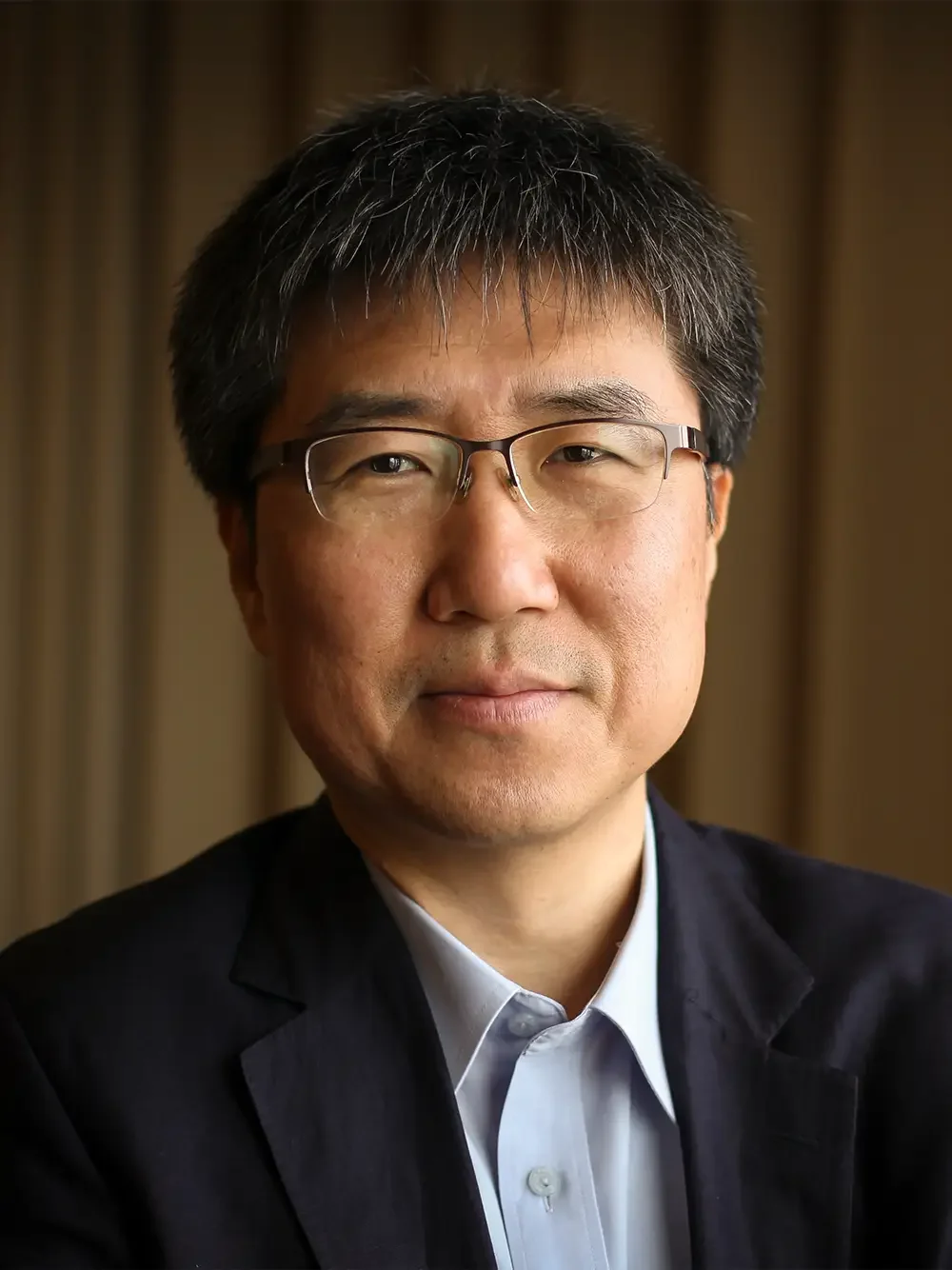
Ha-Joon Chang
Represented By: Ivan Mulcahy
Ha-Joon Chang is a Distinguished Research Professor of economics, as well as Co-director of CSST (Centre for Sustainable Structural Transformation) and of DLD (Development Leadership Dialogue) at SOAS University of London. Previously he taught at the Faculty of Economics at the University of Cambridge (1990-2022). In addition to numerous journal articles and book chapters, he has published 17 authored books (five co-authored) and 11 edited books (seven co-edited).
His main books include The Political Economy of Industrial Policy (1994), Kicking Away the Ladder (2002), Bad Samaritans (2007), 23 Things They Don’t Tell You About Capitalism (2010), Economics: The User’s Guide (2014), and Edible Economics (2022). His writings have been translated and published in 46 languages and 48 countries. Worldwide, his books have sold around 3 million copies. Chang has advised numerous international organizations, national governments, civil society organizations, and corporations (both private-sector and public). He is currently a member of CDP (Committee for Development Policy), the highest advisory body of the United Nations on development issues, as well as committees overseeing or advising other international organizations, academic bodies, and charitable organisations. Chang is the winner of the 2003 Gunnar Myrdal Prize and the 2005 Wassily Leontief Prize.
Represented By: Ivan Mulcahy
Ha-Joon Chang is a Distinguished Research Professor of economics, as well as Co-director of CSST (Centre for Sustainable Structural Transformation) and of DLD (Development Leadership Dialogue) at SOAS University of London. Previously he taught at the Faculty of Economics at the University of Cambridge (1990-2022). In addition to numerous journal articles and book chapters, he has published 17 authored books (five co-authored) and 11 edited books (seven co-edited).
His main books include The Political Economy of Industrial Policy (1994), Kicking Away the Ladder (2002), Bad Samaritans (2007), 23 Things They Don’t Tell You About Capitalism (2010), Economics: The User’s Guide (2014), and Edible Economics (2022). His writings have been translated and published in 46 languages and 48 countries. Worldwide, his books have sold around 3 million copies. Chang has advised numerous international organizations, national governments, civil society organizations, and corporations (both private-sector and public). He is currently a member of CDP (Committee for Development Policy), the highest advisory body of the United Nations on development issues, as well as committees overseeing or advising other international organizations, academic bodies, and charitable organisations. Chang is the winner of the 2003 Gunnar Myrdal Prize and the 2005 Wassily Leontief Prize.
Published Works
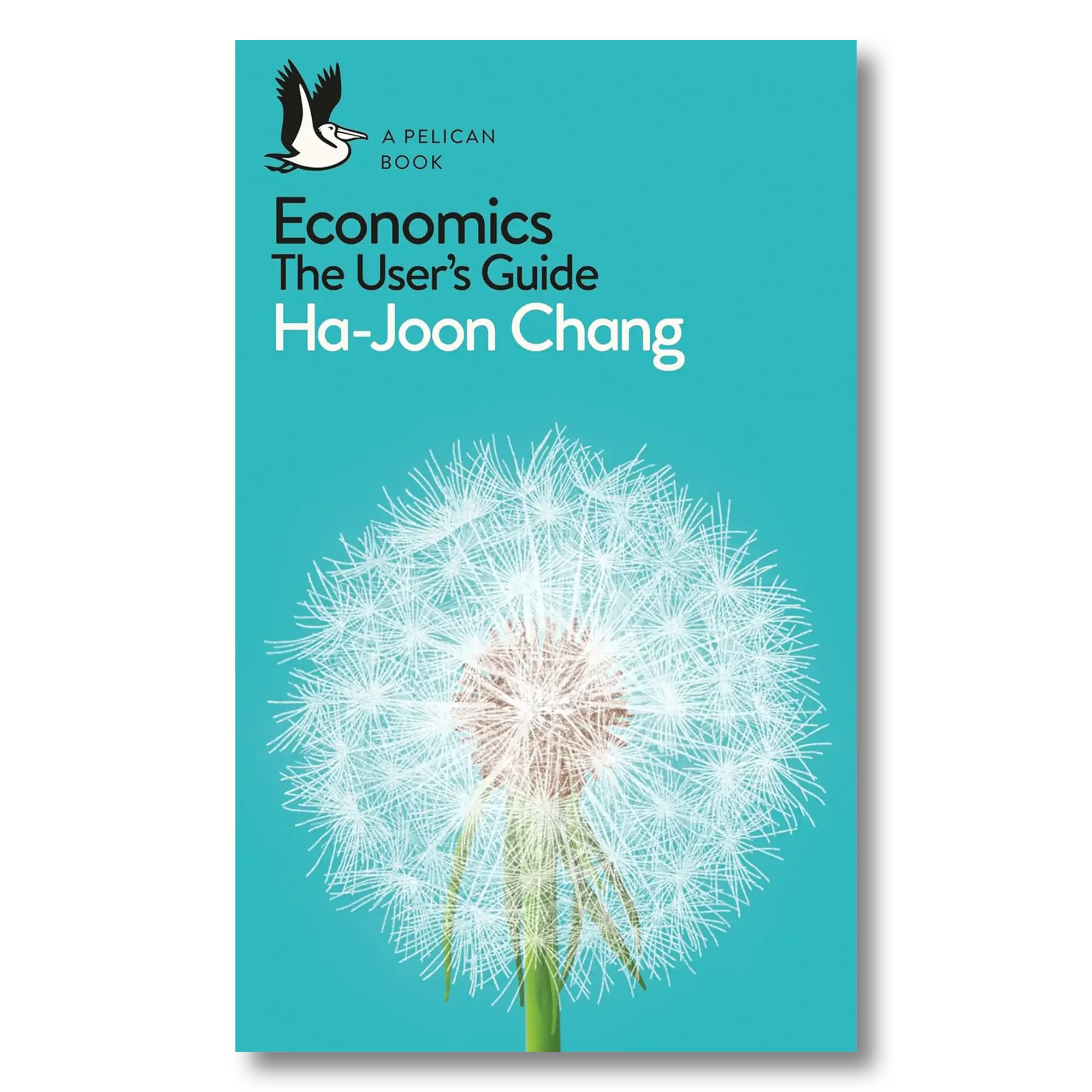
Author: Ha-Joon Chang
Genres: Subject-Led non-fiction
What is economics?
What can - and can't - it explain about the world?
Why does it matter?
Ha-Joon Chang teaches economics at Cambridge University, and writes a column for the Guardian. The Observer called his book 23 Things They Don't Tell You About Capitalism, which was a no.1 bestseller, 'a witty and timely debunking of some of the biggest myths surrounding the global economy.' He won the Wassily Leontief Prize for advancing the frontiers of economic thought, and is a vocal critic of the failures of our current economic system.
“You could use it as a primer, a reference book, a brief history; it is all these things, but isn't contained by them. It reflects the urgent generosity of a thinker whose depth of understanding is matched by a desire to see us all understand. Ha-Joon Chang is himself the walking disproof of the neoclassical individual, the perfectly rational, perfectly selfish consumer; his wealth is in his knowledge, perceptiveness, insight and vision. And he can't give it away fast enough. It flies off him like the seeds of a dandelion.”
- The Guardian“Brilliant... Chang’s lightness of touch makes often dry subject matter very readable. The 2008 crash is mentioned again and again, to prove Chang’s point that the experts don’t always know best.”
- John Sunyer, Financial Times“Economics for the 99 percent who don’t know moral hazard from opportunity cost: lively, intelligent and readily accessible.”
- Kirkus“Chang writes with enough depth to provide insights for experts and enough breadth to reach the further shores of the discipline for the interested layman.”
- New Statesman
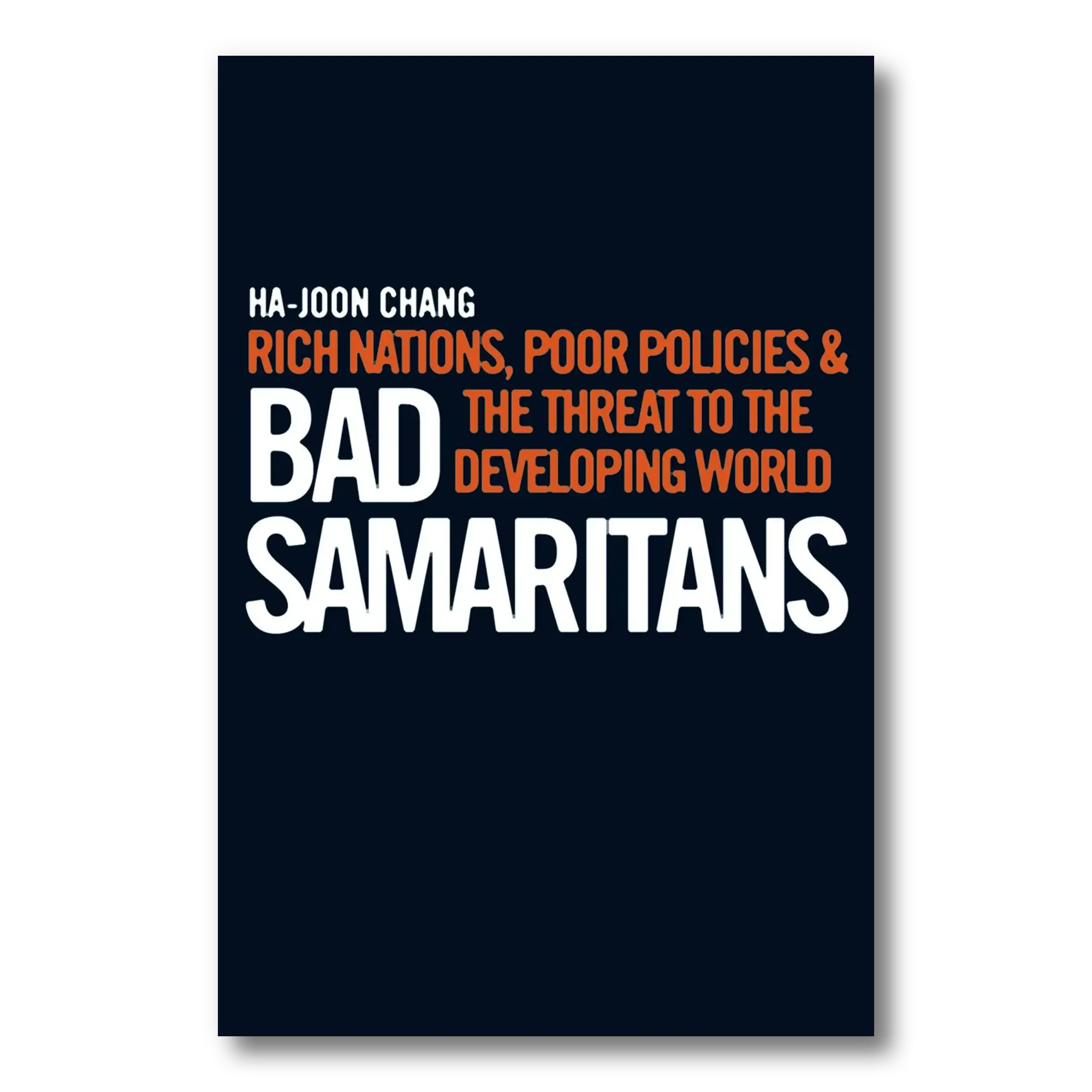
Author: Ha-Joon Chang
Genres: Subject-Led Non-fiction
It's rare that a book appears with a fresh perspective on world affairs, but renowned economist Ha-Joon Chang has some startlingly original things to say about the future of globalization. In theory, he argues, the world's wealthiest countries and supra-national institutions like the IMF, World Bank and WTO want to see all nations developing into modern industrial societies.
In practice, though, those at the top are 'kicking away the ladder' to wealth that they themselves climbed. Why? Self-interest certainly plays a part. But, more often, rich and powerful governments and institutions are actually being 'Bad Samaritans': their intentions are worthy but their simplistic free-market ideology and poor understanding of history leads them to inflict policy errors on others. Chang demonstrates this by contrasting the route to success of economically vibrant countries with the very different route now being dictated to the world's poorer nations. In the course of this, he shows just how muddled the thinking is in such key areas as trade and foreign investment. He shows that the case for privatisation and against state involvement is far from proven. And he explores the ways in which attitudes to national cultures and political ideologies are obscuring clear thinking and creating bad policy. Finally, he argues the case for new strategies for a more prosperous world that may appall the 'Bad Samaritans'.
“A smart, lively and provocative book that offers us compelling new ways to look at globalization”
- Joseph E. Stiglitz, Nobel Laureate in Economics 2001“Every orthodoxy needs effective critics. Ha-Joon Chang is probably the world's most effective critic of globalization”
- Martin Wolf, Financial Times, author of Why Globalization Works“A marvellous book. Well researched, panoramic in its scope and beautifully written... I strongly urge you to read it”
- Larry Elliott, Economics Editor, Guardian“Lucid, deeply informed and enlivened with striking illustrations, this penetrating study could be entitled "economics in the real world”
- Noam Chomsky“I recommend this book to people who have any interest in these issues i.e. everyone”
- Bob Geldof
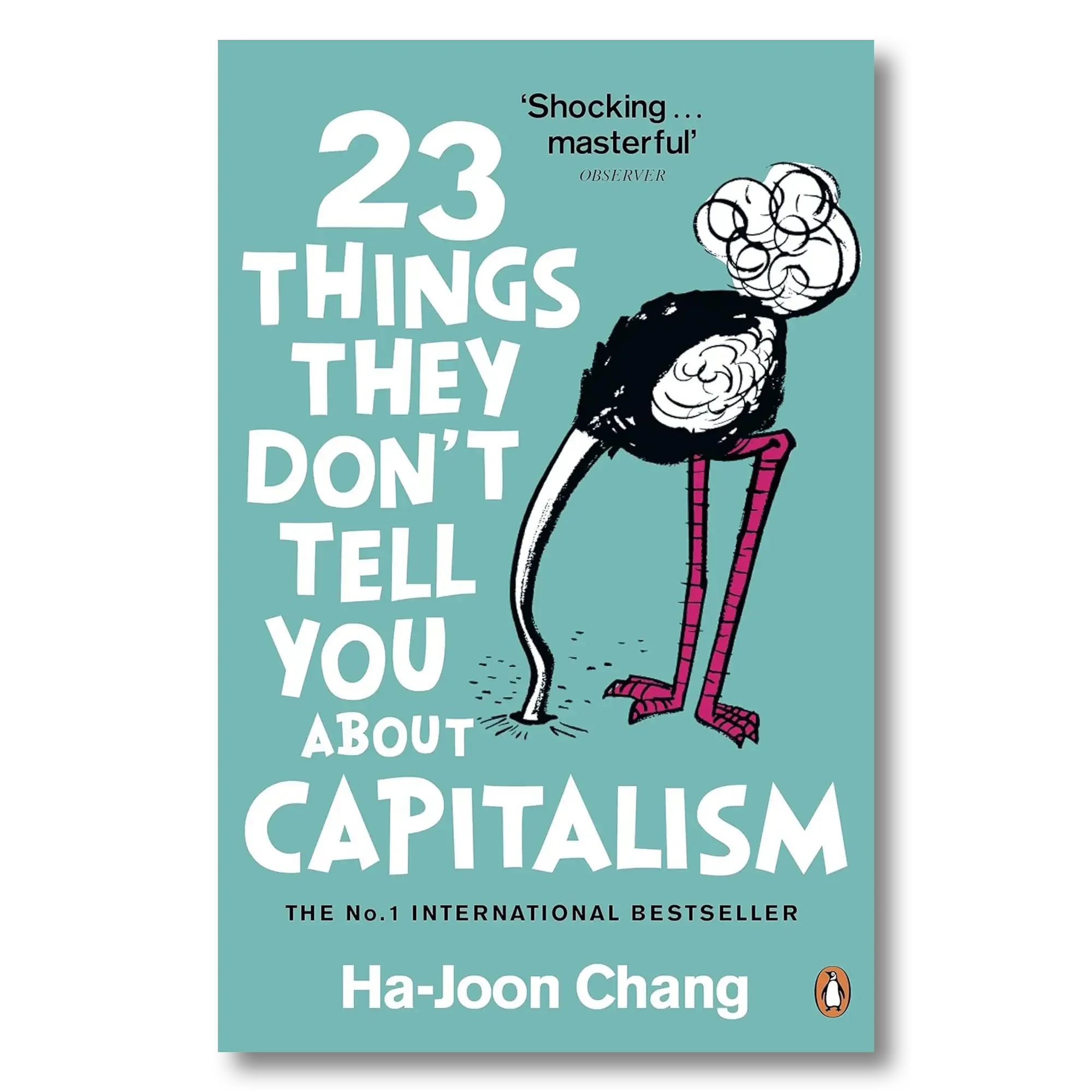
Author: Ha-Joon Chang
Genres: Subject-Led Non-fiction
Ha-Joon Chang's 23 Things They Don't Tell You About Capitalism turns received economic wisdom on its head to show you how the world really works.
In this revelatory book, Ha-Joon Chang destroys the biggest myths of our times and shows us an alternative view of the world, including:
There's no such thing as a 'free' market
Globalization isn't making the world richer
We don't live in a digital world - the washing machine has changed lives more than the internet
Poor countries are more entrepreneurial than rich ones
Higher paid managers don't produce better results
We don't have to accept things as they are any longer. Ha-Joon Chang is here to show us there's a better way.
“Incisive and entertaining ... scathing about the conventional wisdom.”
- Robert Skidelsky, New Statesman“Where mainstream economic debate is often stiflingly narrow, Chang talks about 19th-century Germany, 21st-century China and many other points besides. Where economics is dry, this Cambridge professor delights in paradox... Chang's readers will recognise this style from Bad Samaritans and Kicking Away the Ladder, his earlier books on development economics. But 23 Things is an attempt at a more popular book, and it deserves both a wide audience and - with its discussion of industrial strategy and the relationship between state and markets - to be read by politicians hunting for new ideas.”
- The Guardian“A masterful debunking of some of the myths of capitalism... For anyone who wants to understand capitalism not as economists or politicians have pictured it but as it actually operates, this book will be invaluable.”
- John Gray, The Observer“While the guild of academic economists may continue to ignore maverick economic thinkers like Chang, the future of the world economy may depend on wether the rest of us pay attention.”
- Michael Lind, Prospect Magazine“Myth-busting and nicely-written collection of essays... the best economists are those who look around at our man-made world and ask themselves "why?". Chang is one such.”
- Sean O'Grady, The Independent“Has a commitment to the idea of creating economically activist citizens which I share and believe is very important.”
- John Lanchester, New Statesman Books of the Year, 2010
Author: Ha-Joon Chang
Genres: Subject-Led Non Fiction
RADIO 4 BOOK OF THE WEEK
Economic thinking - about globalisation, climate change, immigration, austerity, automation and much more - in its most digestible form
For decades, a single free market philosophy has dominated global economics. But this is bland and unhealthy - like British food in the 1980s, when bestselling author and economist Ha-Joon Chang first arrived in the UK from South Korea. Just as eating a wide range of cuisines contributes to a more interesting and balanced diet, so too is it essential we listen to a variety of economic perspectives.
In Edible Economics, Chang makes challenging economic ideas more palatable by plating them alongside stories about food from around the world. He uses histories behind familiar food items - where they come from, how they are cooked and consumed, what they mean to different cultures - to explore economic theory. For Chang, chocolate is a life-long addiction, but more exciting are the insights it offers into post-industrial knowledge economies; and while okra makes Southern gumbo heart-meltingly smooth, it also speaks of capitalism's entangled relationship with freedom and unfreedom. Explaining everything from the hidden cost of care work to the misleading language of the free market as he cooks dishes like anchovy and egg toast, Gambas al Ajillo and Korean dotori mook, Ha-Joon Chang serves up an easy-to-digest feast of bold ideas.