
 Image 1 of 1
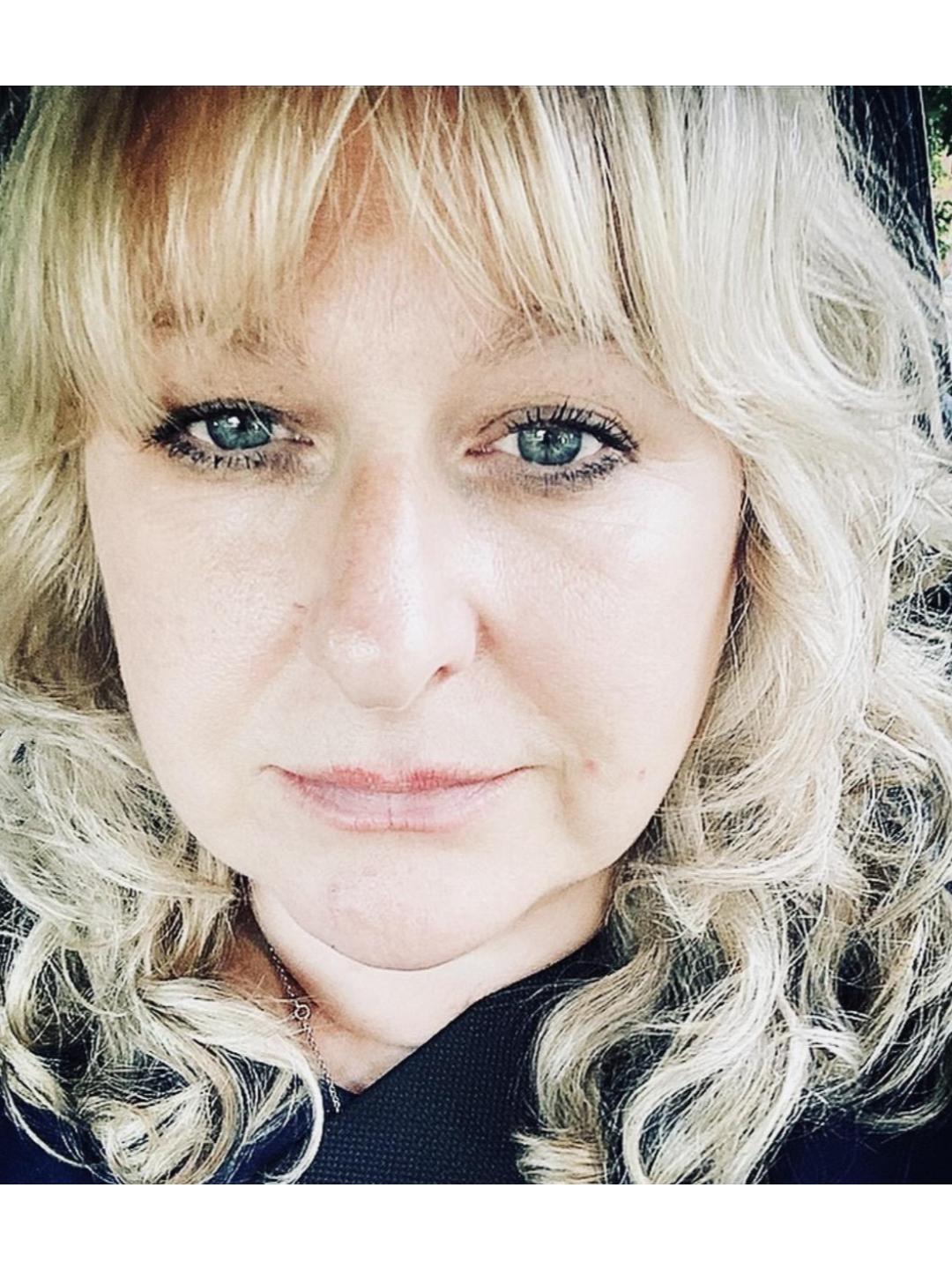
Represented By: Sharmaine Lovegrove
She has a regular column for the celebrated online arts and culture journal Caught By The River.
She was writer in residence for UNESCO’s Exeter Quay Words in 2025. She has had essays published online and in print by various outlets including publishers Little Toller, and Elliot & Thompson. She reviews music for The Quietus and has worked in sound with Resonance FM and the BBC.
Kirsteen is also an events curator who works filmmakers, musicians and artists on special one-off events remote places ranging from Epping Forest, The RIBA, The Minack Theatre, and within the hills and tors of Dartmoor.
She has co-curated and contributed to a number of panel events, most recently with The Wellcome Collection, and Dartmoor Preservation Association. Kirsteen also developed the story around an album called “Mirry” which was about the secret life and lost music of a female composer. Kirsteen lives in Devon.
Represented By: Sharmaine Lovegrove
She has a regular column for the celebrated online arts and culture journal Caught By The River.
She was writer in residence for UNESCO’s Exeter Quay Words in 2025. She has had essays published online and in print by various outlets including publishers Little Toller, and Elliot & Thompson. She reviews music for The Quietus and has worked in sound with Resonance FM and the BBC.
Kirsteen is also an events curator who works filmmakers, musicians and artists on special one-off events remote places ranging from Epping Forest, The RIBA, The Minack Theatre, and within the hills and tors of Dartmoor.
She has co-curated and contributed to a number of panel events, most recently with The Wellcome Collection, and Dartmoor Preservation Association. Kirsteen also developed the story around an album called “Mirry” which was about the secret life and lost music of a female composer. Kirsteen lives in Devon.
Author: Kirsteen McNish
Genres: Literary Memoir, Nature and Place Writing
Grief took her senses. Her daughter, sense by sense, is giving them back.
When Kirsteen McNish leaves London after twenty years for a life on Dartmoor, it is her young daughter, Juniper, who becomes her guide. Watching Juniper meet the world hand first, nose first, skin first, McNish begins to notice how far she has drifted from that kind of attention, and sets out to find her way back to it.
THE UNFOLDING is structured not by chronology but by sense, moving between the landscapes that have shaped her: sight in Kirkcudbright, touch in Nottingham, sound in Corby, smell in Skipsea and Gairloch, taste in Cornwall and Dartmoor, with the River Dart running through as setting and companion. Threaded through is the death of her mother, an event that reorders how McNish experiences her own senses, and how she watches Juniper experience hers.
Resisting easy categorisation as nature writing, this is a book about grief, motherhood and rebuilding a life outside a city that held her for two decades, and about learning, through a child, to notice again.
For readers of Amy Liptrot's The Outrun, Helen Macdonald's H Is for Hawk, Kat Lister's Elements, Doireann Ní Ghríofa's A Ghost in the Throat, and Lucy Jones's Matrescence.