
 Image 1 of 1
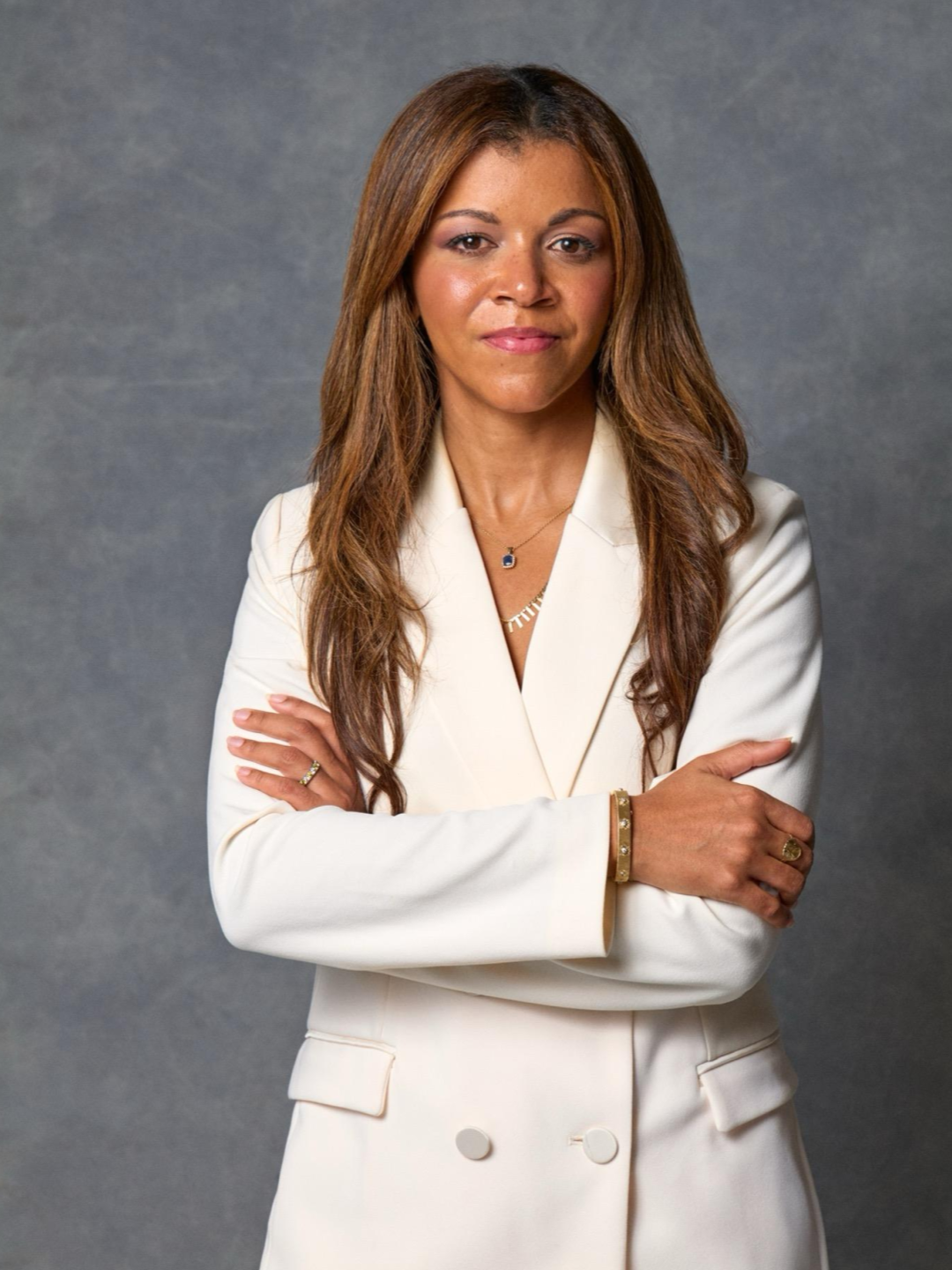
Represented By: Sharmaine Lovegrove
She now serves as Senior Curator of V&A East, the V&A’s newest campus, where she leads major curatorial projects that reimagine how national and global histories of art, design and creativity are presented to the public.
During the 2026 Venice Biennale, Dr. Haddon was named an Honoured Leader in Culture by the Association of Women in the Arts. She has also been recognised by ELLE UK as one of the 2026 “Culture Shifters” shaping London’s cultural landscape and was the inaugural leader featured in Marie Claire’s arts column In the Frame.
Before joining the V&A, Dr. Haddon worked as an independent curator and art historian between London and New York. She has held curatorial positions at The Metropolitan Museum of Art, The Museum of Modern Art, The Frick Collection, Yale University Art Gallery and Princeton University Art Museum, and has taught at Princeton University and the University of Edinburgh.
Dr. Haddon’s wider leadership has included service on boards and advisory committees for organisations including The Metropolitan Museum of Art, the National Gallery and Harvard Art Museums. Her writing has been published by institutions such as MoMA, the V&A, the Isabella Stewart Gardner Museum, the Kimbell Art Museum, and the Hispanic Society Museum & Library.
Dr. Haddon received her PhD in Art and Archaeology from Princeton University. Her dissertation, “Local Color: Race, Gender, and Spanishness in European Painting, 1855–1927” was awarded a Fulbright Fellowship in support of her research.
Author: Madeleine Haddon
Genres: Narrative cultural history
Fanny Eaton's face hangs in some of Britain's great institutional collections, painted by the Pre-Raphaelites as a queen, a biblical heroine and a figure of classical beauty, yet the Jamaican-born model who lived and worked in west London has been almost entirely absent from the story those paintings are usually made to tell.
Madeleine Haddon, an art historian who works in a museum and writes from the same part of London her subjects called home, begins with that absence and widens it into a recovery of the Black artists, performers and musicians who shaped Victorian culture from within it, among them the actor Ira Aldridge, the painter Robert Duncanson, the sculptor Edmonia Lewis and the composer Samuel Coleridge-Taylor.
Reading each artwork as a portal onto the life behind it, she sets these figures in conversation with one another to make the case that Black creativity was foundational to Victorian culture and never marginal to it, and she does so with the narrative pull of a trade book and the authority of a curator.
For readers of Ekow Eshun's The Strangers, Saidiya Hartman's Wayward Lives, Beautiful Experiments and Miranda Kaufmann's Black Tudors.